Hotel & hospitality contract · 2026-06-13
10 Key Steps to Launching a Profitable Rug Retail Business (From Idea to First Sale)
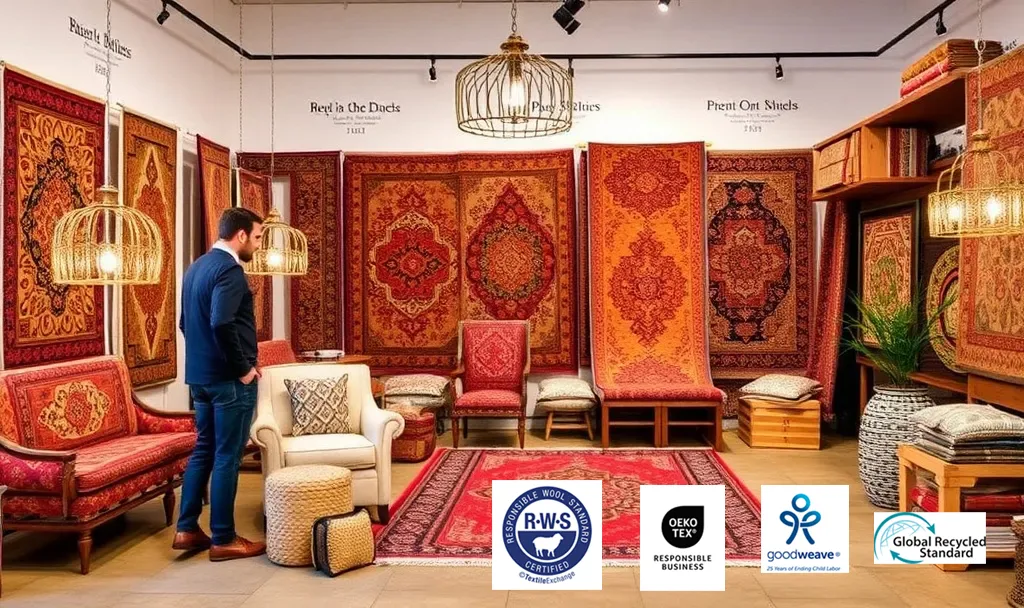
Starting a rug retail business is an exciting venture. Rugs are not just floor coverings; they are expressions of art, culture, and comfort. But turning a passion for textiles into a profitable enterprise requires more than an eye for design. It demands a clear roadmap, reliable partners, and smart execution. Here are ten essential steps to take you from the first spark of an idea to your very first sale.
Step 1: Define Your Niche and Target Audience
Every successful retail business begins with a focused niche. Will you cater to luxury homeowners, budget‑conscious renters, interior designers, or hospitality buyers? Each segment has different expectations for quality, price, and service. Research your local market and online trends. Identify gaps—perhaps there is demand for eco‑friendly rugs or custom sizes. Your niche will guide every subsequent decision, from product selection to marketing messaging.
Step 2: Write a Solid Business Plan
A business plan is your roadmap. Include an executive summary, market analysis, competitive landscape, marketing strategy, operational plan, and financial projections. Crucially, identify your supply chain. Where will you source your products? Many new retailers partner with B2B rug suppliers who offer low minimum order quantities and flexible terms. Outline your startup costs: inventory, website, warehousing, shipping materials, and initial marketing. A clear plan also helps secure financing if needed.
Step 3: Register Your Business and Build Your Brand
Choose a legal structure (sole proprietorship, LLC, etc.) and register your business name. Secure a domain and create a memorable brand identity—logo, colour palette, and voice that reflects your niche. Invest in professional product photography; rugs are visual products. At this stage, decide whether you will focus on handmade rugs, which command higher prices and customer loyalty, or machine‑made options for volume sales. Your brand story should highlight craftsmanship, authenticity, and quality.
Step 4: Find a Reliable Manufacturing Partner
The quality of your rugs defines your reputation. India’s carpet belt, particularly Bhadohi, is home to some of the world’s finest weavers. Seek out the best rug manufacturer from Bhadohi that aligns with your values. Look for certifications like GoodWeave, OEKO‑TEX®, and GRS. Visit the factory if possible, or hire a third‑party inspector. A trustworthy manufacturer will share references, provide samples, and communicate transparently about lead times and minimum orders.
Step 5: Curate Your Product Mix
Your collection should offer variety without overwhelming customers. Include both hand‑knotted rugs for heirloom quality and hand‑tufted rugs for more accessible price points. Hand‑knotted pieces are denser, reversible, and last decades; hand‑tufted rugs are faster to produce and softer underfoot. Balance timeless patterns with trend‑driven designs. Start with 15–20 SKUs across different sizes and colours, then expand based on sales data.
Step 6: Select Your Core Materials
The fibre of a rug affects its feel, durability, and price. Wool rugs are the industry standard—naturally stain‑resistant, flame‑retardant, and resilient. For a touch of luxury, silk rugs add a luminous sheen that catches light beautifully; they are best for low‑traffic areas. For eco‑conscious customers, abaca rugs (made from banana plant fibres) offer strength, moisture resistance, and a silky golden sheen. Stocking a range of fibres allows you to serve different budgets and preferences.
Step 7: Plan Your Inventory and Sizing Strategy
Rug sizing is a common pain point for online buyers. Your inventory should include standard sizes (2×3, 5×8, 8×10, runners) as well as popular specialty sizes. Living room rugs typically sell best in 6×9 and 8×10. Bedrooms need 5×8 or larger. Offer clear size guides and room‑visualisation tools on your website. Consider a made‑to‑order option for custom dimensions to reduce inventory risk.
Step 8: Develop Your Brand and Marketing Strategy
Position your brand as a curator of designer rugs—pieces that blend aesthetics with functionality. Build an engaging website with high‑resolution images, detailed product descriptions, and customer reviews. Use social media (Instagram, Pinterest, LinkedIn) to showcase styling ideas. Invest in SEO to capture search traffic for terms like “wool area rug” or “hand‑knotted runner.” Email marketing and collaborations with interior influencers can drive repeat sales.
Step 9: Set Up Sales Channels
Decide where you will sell. An e‑commerce store is essential, but consider adding marketplaces like Etsy, Amazon Handmade, or Wayfair for additional reach. For B2B sales, reach out to interior designers, boutique hotels, and property managers. Offering trade discounts and sample programmes can build loyal professional relationships. Highlight unique offerings like Kashmiri carpets with their fine silk‑on‑silk knotting, which appeal to luxury buyers seeking exclusivity.
Step 10: Launch and Make Your First Sale
Before launch, test your website, checkout process, and shipping logistics. Create a launch campaign with a limited‑time discount or a giveaway to generate buzz. Reach out to your personal network and local design community. Your first sale may come from a friend, a social media follower, or a targeted ad. Celebrate it, gather feedback, and refine your operations. Consider offering a special collection of Tibetan rugs—known for bold geometric patterns and vegetable dyes—to differentiate your brand from competitors.
Final Thoughts
Launching a rug retail business is a journey of continuous learning. Stay close to your customers, listen to their needs, and adapt your inventory accordingly. Build strong relationships with ethical manufacturers, invest in quality imagery, and tell the story behind every knot. With these ten steps, you will move from idea to first sale with confidence—and lay the foundation for a profitable, sustainable enterprise.
Deep dive: Hotel & hospitality contract.
Sourcing rugs from India? Talk to us.