Hotel & hospitality contract · 2026-06-15
Abaca, Jute and Sisal in Kids' Spaces? The Surprising Benefits of Natural Fiber Rugs for Playrooms
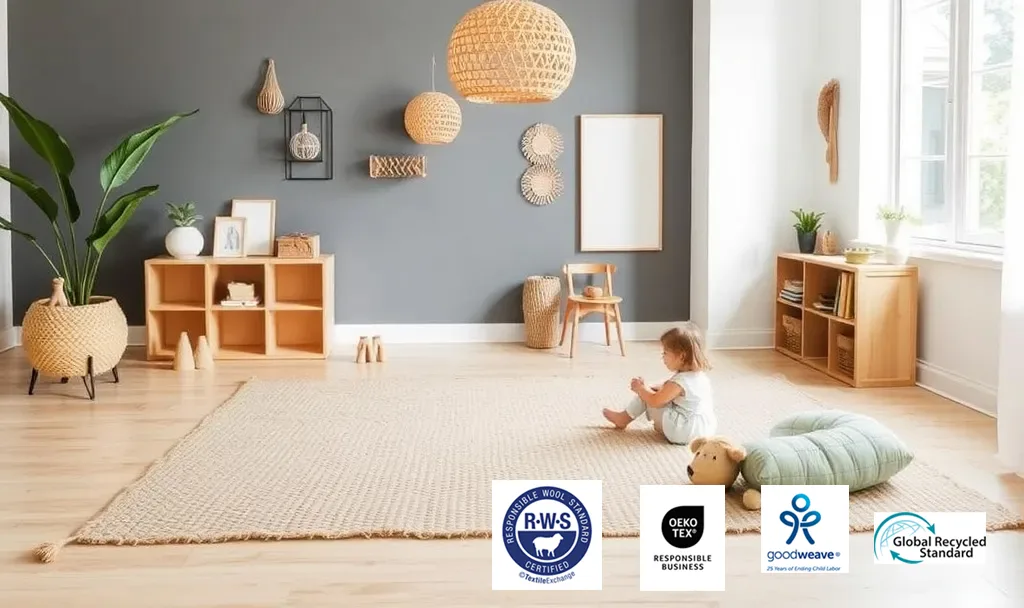
When parents think of children’s flooring, soft synthetic carpets often come to mind. But there is a quieter, healthier revolution happening in nurseries, playrooms, and classrooms. Natural fibre rugs—woven from plant materials like abaca, jute, and sisal—are proving to be surprisingly ideal for young children. They are durable, non‑toxic, and teach an early lesson in sustainability. Here is why these earthy textiles deserve a spot under your child’s feet.
Why Natural Fibres Make Sense for Kids
Children spend hours on the floor—crawling, tumbling, building block towers, and reading picture books. That surface needs to be safe, resilient, and easy to clean. Abaca rugs, jute rugs, and sisal rugs are naturally hypoallergenic, free from volatile organic compounds (VOCs), and resistant to dust mites. Unlike synthetic carpets that can off‑gas chemicals, plant fibres come from renewable sources with minimal processing. For a child with asthma or allergies, this difference is significant.
These fibres also have a pleasing texture that stimulates tactile senses. The subtle roughness of sisal, the soft warmth of jute, or the silky strength of abaca invites little fingers to explore. And because natural fibres are biodegradable, you are not adding to the plastic waste problem when the rug eventually wears out.
Abaca: The Strong, Silky Performer
Abaca comes from the leaf stalks of a banana plant native to the Philippines. Its fibres are twice as strong as jute and naturally resist moisture and mildew. Abaca carpets are ideal for playrooms that adjoin bathrooms or for areas where spills are frequent. The silky, golden‑brown sheen adds a touch of warmth without being slippery underfoot.
Abaca’s durability means it can withstand the pounding of running feet and the drag of toy trucks. It also cleans easily—most spills can be blotted with a damp cloth. For a kids room rugs choice that balances luxury and practicality, abaca is an excellent option.
Jute: The Affordable Earthy Favourite
Jute is often called the “golden fibre” for its warm, honey‑hued colour. Jute rugs are soft, renewable, and highly absorbent—which is both a strength and a weakness. In a playroom, jute provides a gentle landing for falling toddlers. Its coarse texture hides dirt well, reducing the appearance of everyday messes.
However, jute does not like moisture. Spills must be blotted immediately, and the rug should never be placed in a damp basement or directly on concrete. For dry, indoor play areas, jute offers an affordable, biodegradable option that feels good underfoot. Pair it with a non‑slip pad to prevent shifting.
Sisal: The Structured Workhorse
Sisal is extracted from agave plant leaves, resulting in a stiff, durable fibre. Sisal rugs have a tight, linen‑like weave that resists crushing and staining. In a high‑traffic playroom, sisal stands up to constant use without showing wear. Its neutral, cream‑to‑tan palette complements any decor, from minimalist to boho.
Sisal is naturally anti‑static and flame‑retardant—important safety features for children’s spaces. The surface is rougher than jute, so it may not be ideal for bare knees during long play sessions. But for areas where children wear slippers or socks, or for active play zones, sisal is a durable champion.
Kilim as a Complement
While not a natural fibre itself (kilims are typically wool or cotton), kilim rugs can be layered over a natural fibre base to add colour and pattern. A flatwoven kilim is reversible, easy to shake out, and adds a pop of design without compromising the eco‑friendly foundation. For parents who want both sustainability and style, layering a kilim over a jute or sisal rug is a smart strategy.
General Benefits of Natural Fiber Rugs for Children
Natural fiber rugs as a category share several advantages. They are renewable, biodegradable, and require far fewer chemicals to produce than synthetic alternatives. They do not shed microplastics into the air or water. And they have a timeless aesthetic that grows with your child—unlike a cartoon‑themed carpet that feels outdated in a few years.
These rugs also promote a sense of calm. The muted earth tones and organic textures create a grounding environment, which can help reduce overstimulation in active playrooms. Many Montessori and Waldorf schools specify natural fibre rugs for precisely this reason.
Choosing the Right Size and Shape
Playrooms often have irregular layouts. A single rectangular rug may not fit around a play kitchen or under a loft bed. That is where an area rug manufacturer who offers large rugs in custom dimensions becomes invaluable. You can order a rug that covers the entire active zone, eliminating tripping hazards at the edges.
For a spacious playroom, a large rugs measurement of 8×10 or 9×12 feet creates a unified play surface. For smaller rooms, a 5×8 or 6×9 rug works well. Always add a non‑slip pad to prevent the rug from bunching during active play.
Custom Options for Unique Spaces
Not every playroom is a perfect rectangle. Odd alcoves, circular reading nooks, or rooms with angled walls benefit from custom rugs. You can provide a template or floor plan, and a skilled Indian rug manufacturer will cut and bind the rug to your exact shape. Custom natural fibre rugs are available in jute, sisal, and abaca, allowing you to match both function and form.
Sourcing from India
India is one of the world’s largest producers of natural fibre floor coverings. An Indian rug manufacturer with expertise in plant‑based materials can offer competitive pricing, ethical production, and a wide range of weaves. Look for certifications like GoodWeave, OEKO‑TEX®, and GRS to ensure the rug is safe and responsibly made. Bhadohi, in particular, has a long tradition of weaving jute and sisal alongside wool.
Maintenance and Longevity
Natural fibre rugs require simple care. Vacuum weekly with a suction‑only head (no beater bar) to avoid damaging the fibres. Blot spills immediately with a clean, dry cloth. For deeper cleaning, hire a professional who specialises in natural materials. Rotate the rug every six months to ensure even wear. With proper maintenance, a jute or sisal rug can last 5–10 years in a child’s playroom—long enough for your little one to grow from toddler to tween.
Final Thoughts
Abaca, jute, and sisal are not just eco‑friendly buzzwords. They are practical, beautiful, and safe choices for children’s spaces. They offer durability without sacrificing health, and their natural textures add warmth that synthetic carpets cannot replicate. Whether you choose a soft jute rug for a nursery, a durable sisal runner for a school hallway, or a silky abaca piece for a sunny playroom, you are making a choice that benefits your child and the planet. Let the next generation grow up on floors that are as honest as they are beautiful.
Deep dive: Hotel & hospitality contract.
Sourcing rugs from India? Talk to us.